
PLAY & LEARNING · SOCIAL STUDIES
Social Studies for Kids: Building Community, History and Civic Understanding from Birth to Teen
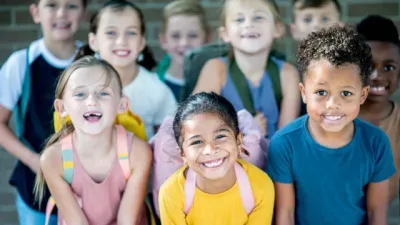
Children begin learning about people, places, communities and culture long before they encounter Social Studies as a subject in school.
This guide explores social studies for kids from birth through adolescence, showing how historical thinking, geographic awareness, civic understanding and cultural knowledge develop over time. You'll also find practical ways you can encourage those skills at home through everyday conversations, routines and experiences.
Social studies also grows alongside social-emotional learning. As children learn to see another person's perspective, think about fairness, cooperate with others and appreciate different experiences, they are strengthening many of the same skills that support social studies throughout childhood.
Key Takeaways
Social studies begins at home. Learning about family history, neighborhoods and community rules builds a strong foundation long before children enter a classroom.
Perspective-taking, civic participation, historical thinking and geographic awareness develop gradually through everyday conversations and experiences.
Social studies grows outward over time, beginning with family and expanding to neighborhoods, communities, regions, nations and the wider world.
What Is Social Studies and Why Does It Matter for Kids?
Social studies is the study of people, communities and the world we share. It brings together five interconnected subjects:
History, which explores how the past shapes the present
Geography, which examines how places influence the way people live
Civics, which explains how communities and governments function
Economics, which looks at how resources are produced, distributed and used
Culture, which explores the beliefs, traditions and identities that connect people across generations
Together, these disciplines help children understand both the world around them and their place within it. As they learn about different people, places and perspectives, they also develop the ability to think critically, participate in their communities and make informed decisions. These are skills they will use throughout their lives, whether they are voting, solving problems with classmates or simply learning to understand someone whose experiences are different from their own.
The foundations of social studies for kids are built long before children memorize state capitals or historical dates. They begin with family stories, neighborhood walks, trips to museums, conversations about fairness, community traditions, books and current events.
Historical Thinking
Historical thinking is the ability to understand that today's world was shaped by the past. It also means recognizing that people who lived long ago experienced different circumstances, held different beliefs and made decisions based on what they knew at the time. As children mature, they begin to understand that history is more than a collection of facts. It is an interpretation built from evidence and multiple perspectives.
For young children, historical thinking starts close to home. Family stories, old photographs, treasured objects and traditions passed from one generation to the next all help children see that life changes over time. A grandparent sharing memories of growing up without smartphones or describing what school was like decades ago makes history personal in a way that textbooks cannot.
As children grow older, they become ready to ask more complex questions. They can compare different accounts of the same event, consider why people made certain choices and evaluate historical evidence. Those higher-level skills continue developing into adolescence, but the earliest building blocks are rooted in stories, relationships and experiences that make the past feel real. That personal connection gives social studies for kids meaning long before they encounter formal history classes.
Live near Indianapolis? Try a field trip to Indiana Historical Society, a history museum with family-friendly exhibits.
Geographic Awareness and Sense of Place
Geographic awareness is the ability to understand how places shape the way people live. It includes knowing where things are, recognizing how landscapes and climates influence communities and understanding how people interact with the environments around them.
Children begin developing this awareness in familiar places. They learn the layout of their home, recognize the route to the park and notice landmarks along the drive to school.
Families can support geographic learning by exploring together. Walking through the neighborhood, spinning a globe, reading books set in different parts of the world and talking about where everyday foods come from all help children connect places with people and experiences.
This growing sense of place also lays the foundation for environmental awareness. As children learn how natural resources, weather and geography influence daily life, they begin to understand how human choices affect the places we all share.
Civic Understanding and Community
Civic understanding is the ability to participate responsibly in the communities we belong to. It begins with learning that communities have shared expectations and that every person's actions affect others.
Those first lessons happen at home. A child who helps feed the family pet, sets the table or puts toys away after playing is contributing to the well-being of a group. As children grow, their sense of community expands to include classrooms, sports teams, neighborhoods and eventually society as a whole.
Research suggests that children develop a stronger civic identity through meaningful opportunities to contribute, rather than simply learning about civic responsibility. Small responsibilities today can become lifelong habits of participation and service.
Civic participation looks different at every age. A toddler helps clean up after playtime. A preschooler follows the classroom rules they helped create. A school-age child votes during a class election. A teenager volunteers with a local organization or advocates for a cause they care about. Each experience reinforces the idea that communities are strongest when everyone contributes.
Check out our blog on Election Day activities for little Hoosiers.
Cultural Awareness and Diversity
Young children are naturally observant. They notice differences in foods, celebrations, clothing and languages without attaching judgment to them. That openness creates an ideal opportunity for families to introduce children to a wide range of cultures through books, music, art, food and meaningful relationships.
Building cultural awareness goes beyond learning a few facts about holidays or countries. Children develop a deeper understanding when they hear authentic stories, build friendships with people from different backgrounds and have honest conversations about both differences and shared experiences.
Learning a second language can be extremely beneficial to children as well, and having friends from different cultures can support this.
Babies & Toddlers
Birth–12 Months | Family as first community | Babies experience their first community within the family, where daily routines, relationships and caregiving help them learn what it means to belong.
1–2 Years | "Mine" and "ours" | Toddlers begin exploring sharing, ownership and taking turns. These early social interactions lay the groundwork for later civic and economic thinking.
2–3 Years | Neighborhood and beyond | Two-year-olds start noticing the people and places they encounter every day, from the mail carrier to the grocery store, as their world expands beyond home.
Preschool & Kindergarten
3–4 Years | Rules and fairness | Preschoolers become deeply interested in rules, fairness and why expectations exist, marking an early stage of civic understanding.
4–5 Years | Family history and culture | Children begin connecting with family stories, traditions and cultural heritage, making history personal and meaningful.
5–6 Years | Maps and community | Kindergartners can use simple maps, understand how their community fits into a larger world and learn about the people who help communities function.
School-Age
6–10 Years | Local to national | School-age children expand their understanding from local communities to states, nations and history, while developing timeline skills and learning how governments work.
Adolescents
11–14 Years | Global and critical | Adolescents begin examining multiple perspectives, global issues and current events while developing their own civic identity and sense of responsibility.
Social Studies Activities for Babies and Toddlers
The best social studies activities for kids at this age don't require special lessons or materials. They happen through shared routines, conversations and everyday experiences.
What Social Studies Looks Like at This Age
During the first two years of life, social studies begins with the people children know best. Babies learn that families have routines, that different people have different roles and that they can count on trusted adults to care for them. Those everyday interactions become their first lessons about belonging to a community.
As babies become toddlers, their world starts to grow. They begin recognizing familiar faces, waving to neighbors and anticipating the mail carrier or crossing guard. These repeated experiences help children understand that they are part of something larger than their own household.
Toddlers are also fascinated by community helpers. Firefighters, construction workers, doctors, librarians and delivery drivers all have visible jobs that capture a young child's attention. Watching these adults at work sparks early conversations about how people contribute to their communities and help one another.
This is also when children begin building a sense of cultural identity. The languages spoken at home, favorite family recipes, holiday traditions and everyday routines all shape how children understand where they belong. As they grow, these experiences become the foundation for learning about other families, cultures and communities with curiosity and respect.
For more about development during these early years, explore our Baby, 1-Year-Old and 2-Year-Old Hubs.
Social Studies Activities for Babies and Toddlers
-
Take Neighborhood Walks Together
A walk around the block is an easy way to introduce your child to the people and places that make up your community. Point out the library, post office or fire station, and talk about what happens there. Wave to neighbors, notice road signs and stop to watch workers doing their jobs. Over time, these familiar sights help children understand that many people work together to keep a community running.
-
Create a Family Photo Book
Fill a small photo album with pictures of family members and other important people in your child's life. As you look through it together, share simple stories about each person, where they live or a favorite family tradition. Revisiting the book often introduces the earliest ideas about family history and helps children see themselves as part of a larger story.
-
Read Books About Different Families and Communities
Choose picture books that introduce children to a variety of families, cultures and neighborhoods. As you read, point out similarities and differences in the people, homes, foods and celebrations you see. These shared reading experiences help children develop curiosity about the world while reinforcing that there are many ways to live, celebrate and belong.
Social Studies Activities for Preschoolers and Kindergartners
By preschool and kindergarten, children are ready to explore the world beyond their immediate surroundings. They can trace a familiar route from memory, ask questions about family history, notice cultural traditions and begin thinking about why communities have rules. These everyday experiences build on what they'll soon encounter in school, making social studies activities for kids both familiar and meaningful.
What Social Studies Looks Like at This Age
Between the preschool and kindergarten years, children's understanding of the world expands quickly. They're beginning to connect what happens at home with what happens in the classroom, around the neighborhood and throughout their community. They ask more questions, notice more details and enjoy figuring out how people, places and traditions fit together.
This is also an age when rules start to make sense. Whether they're helping decide classroom expectations or learning why people wait their turn, children are discovering that communities work best when everyone follows shared guidelines. Having opportunities to contribute to simple rules at home or school helps those ideas feel meaningful.
Stories are another powerful way children explore social studies. Family memories, picture books about historical figures and conversations with grandparents or other community members help children understand that people lived differently in the past and that those experiences shape the present. Cultural traditions, celebrations, music and food also introduce children to different ways of living, encouraging curiosity and respect from an early age.
To learn more about development during this stage, visit our 3-Year-Old, Pre-Kindergartener and Kindergartner Hubs.
Social Studies Activities for Preschoolers and Kindergartners
-
Create a Neighborhood Map
Draw a simple map of your neighborhood together, including your home, the park, the library, the grocery store and other familiar places. Add new landmarks as you discover them and talk about how you get from one place to another. This activity strengthens spatial reasoning while helping children understand how communities are organized.
-
Build a Family Tree
Create a family tree using photographs or drawings of relatives. Share where family members grew up, a favorite tradition or a memorable story from each branch of the family. Connecting faces with stories helps children see history as something personal, not just something that only happened long ago.
-
Meet a Community Helper
Introduce your child to a librarian, firefighter, mail carrier or another community helper. Encourage your child to ask simple questions about what they do and why their job is important. These conversations help children understand that communities depend on many people working together and encourage appreciation for the roles others play every day.
Social Studies Activities for School-Age Kids
As children enter elementary school, they're ready to think beyond their own neighborhood and explore how larger communities and societies are connected. They can understand timelines, recognize how governments and communities function, compare different cultures and begin discussing current events with growing curiosity.
These social studies activities for kids encourage critical thinking while helping children make meaningful connections to the world around them.
What Social Studies Looks Like at This Age
Children at this age begin thinking about history as a connected story. They can understand that events happen in sequence, that one decision can influence another and that people, places and ideas change over time. This growing ability to recognize cause and effect helps them make sense of both the past and the present.
School-age children are also ready to take part in their communities in meaningful ways. Whether they're helping with a neighborhood clean-up, participating in a food drive, voting in a school election or talking about age-appropriate current events, these experiences help them see that their actions can make a difference. Discussing the news together and encouraging thoughtful questions also helps children practice empathy, consider different perspectives and become informed members of their communities.
For more guidance during these years, visit our School-Age Hub.
Social Studies Activities for School-Age Kids
-
Take the U.S. Geography Challenge
Print a blank map of the United States and fill in a few states each week. As your child learns new locations, connect them to places your family has visited, where relatives live or where important historical events took place. Making geography personal helps children understand how places shape history, culture and daily life.
-
Discuss Current Events Together
Choose one age-appropriate news story each week and talk about it as a family. Ask questions like: What happened? Why does it matter? Who is affected? Encourage children to consider different perspectives and support their ideas with facts. These conversations help build critical thinking, media literacy and respectful discussion skills.
-
Plan a Community Service Project
Work together to identify a need in your community, then create a plan to help. Whether it's collecting food for a local pantry or making cards for a senior living community, involving children in both planning and service shows them they can make a positive difference. Experiences like these are some of the most meaningful social studies activities for kids, helping civic responsibility grow through action rather than observation.
Social Studies Activities for Adolescents
By adolescence, young people are ready to think deeply about history, government and the issues shaping the world around them. They can evaluate evidence, consider multiple perspectives and develop informed opinions while learning to support their ideas with facts. These social studies activities for kids help teens move beyond learning about society to becoming active participants in it.
What Social Studies Looks Like at This Age
During adolescence, social studies shifts from learning facts to evaluating ideas. Teens are ready to examine multiple sources, recognize bias, compare different interpretations of historical events and ask thoughtful questions about how the past continues to shape the present. They stop accepting information at face value and start developing the skills to evaluate evidence and draw their own conclusions.
Their understanding of the world also expands beyond national borders. Adolescents can explore how countries are connected through trade, migration, technology, environmental issues and global events. Following age-appropriate news and discussing international issues helps them see how decisions made around the world can affect their own communities and daily lives.
This is also a time when many teens begin developing their own civic identity. They think more deeply about fairness, responsibility, leadership and the role they want to play in society. Conversations that welcome different perspectives, encourage respectful debate and connect social studies to real-world experiences help adolescents become informed, engaged citizens.
For more guidance during these years, visit our Adolescent Hub.
Social Studies Activities for Adolescents
-
Analyze a Primary Source
Find a speech, letter, photograph, newspaper front page or other primary source connected to a historical event or issue your teen finds interesting. Ask questions like: Who created this? Who was the intended audience? What was the purpose? What information does it include, and what might be missing? Learning to evaluate original sources helps adolescents think critically about history rather than simply memorizing it.
-
Watch and Discuss a Documentary
Choose a documentary about a historical event, social movement or current issue, then pause throughout to discuss what you're seeing. Ask questions like: What evidence supports this claim? Whose perspective is represented? Are there voices missing from the story? These conversations strengthen media literacy while encouraging teens to think critically about how information is presented.
-
Create a Personal Budget
Work with your teen to build a realistic monthly budget using expected income, savings goals and everyday expenses. Then explore how factors like inflation, housing costs or minimum wage influence financial decisions for different households. This activity makes economics tangible, helps teens prepare for greater financial independence, and reinforces that economics is an important part of social studies for kids.
Supporting Social Studies at Home and in Childcare
Some of the most meaningful social studies lessons happen around the dinner table, on walks through the neighborhood, while talking about the day's news or during family gatherings where stories and traditions are shared. Every conversation about where your family comes from, how your community works or why people celebrate different holidays helps children better understand the world around them.
When choosing a childcare program or early learning environment, look for opportunities that help children connect with their communities. Classrooms should include books, photographs and materials that reflect diverse people and cultures. Children should have opportunities to learn about community helpers, participate in classroom responsibilities, celebrate different traditions and engage with the world beyond the classroom through visitors, field trips and age-appropriate conversations about current events.
Social studies also supports many of the same skills children develop through social-emotional learning. To learn more about these important life skills, explore our Social-Emotional Learning (SEL) Hub.